So, haven’t we seen enough of it lately? Why do we want to start collecting the damned stuff? It’s everywhere, after all!
There is nothing new about rainwater harvesting; it was even done in pre-Roman times. However, in the UK we are far behind mainland Europe for collecting rainwater. Around 400 new rainwater harvesting systems installed per year in Great Britain – compared to over 50,000 each year in Germany.
In the UK, we are complacent about our water. It’s cheaper than in many other countries, and only 22% of domestic properties are metered. Despite our wet weather, the UK is still classified as having insufficient water. (Believe it or not, Madrid and Istanbul have more water available per person than London.) The demand for water has been constantly rising, whilst availability is dropping. An October 2008 report by the Environment Agency warned that Britain’s rivers, which provide 70% of our water, will drop by 10-15% in volume within 40 years.
Water conservation therefore needs serious consideration. It has been suggested that households need to reduce water consumption by a third, and rainwater harvesting could play a significant role in achieving this target.
Of the 150 litres of water that each person uses daily, between 30% and 50% does not necessarily have to be of drinking quality. On average, 50 of the 150 litres are merely used to flush the loo.
In the UK, mains water is cleaned to drinking water standards – but as we’ve just seen, we don’t drink most of it. Energy is used to clean water to a much higher standard than we need for washing, garden watering and toilet flushing. Collecting and using rainwater for some of these functions can save both energy and money.
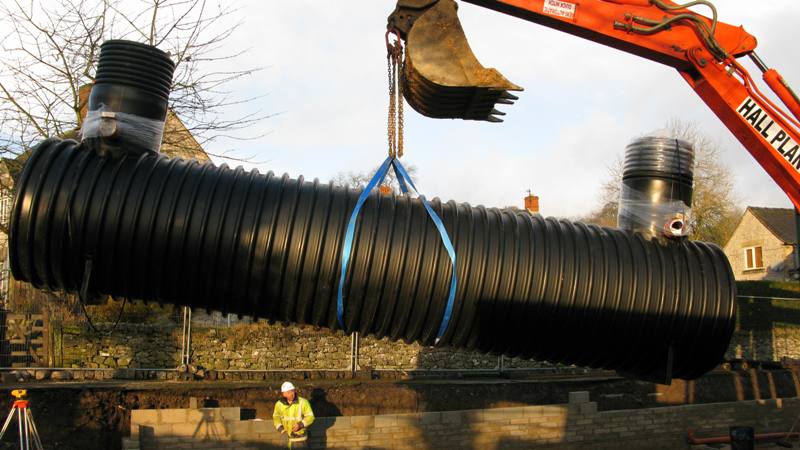
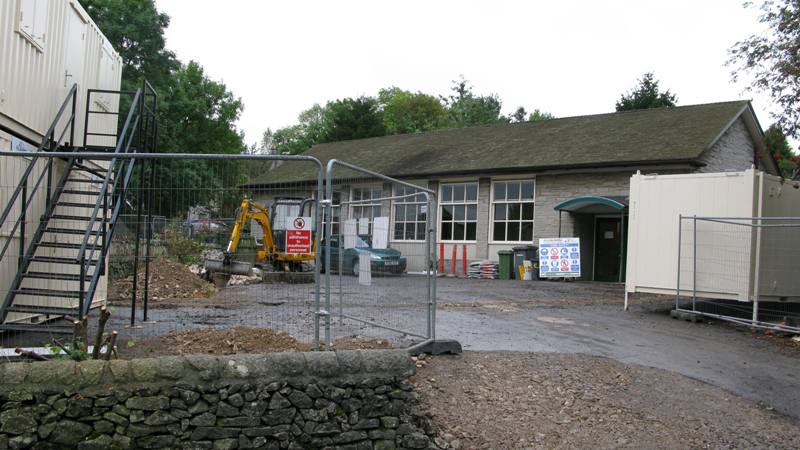
 Rainwater harvesting systems, like the one currently being installed in the new Memorial Hall, collect rainwater from the roof and store it in large tanks. This water can then be used for non-drinking applications, such as flushing the loos.
It’s also worth pointing out that the government now offers 100% tax relief to business owners under the enhanced capital allowance scheme, whenever rainwater harvesting systems are installed.
– Kevin S.









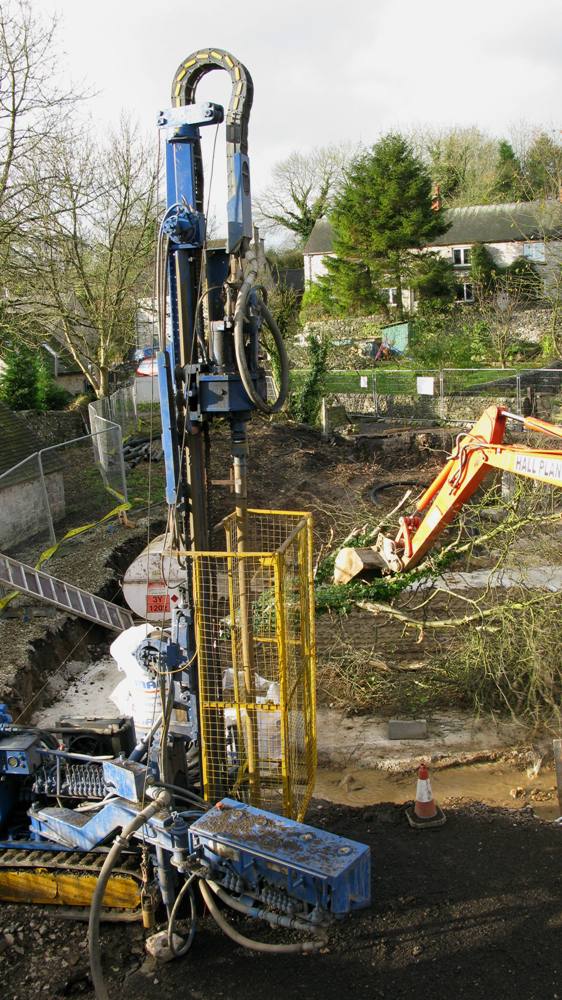
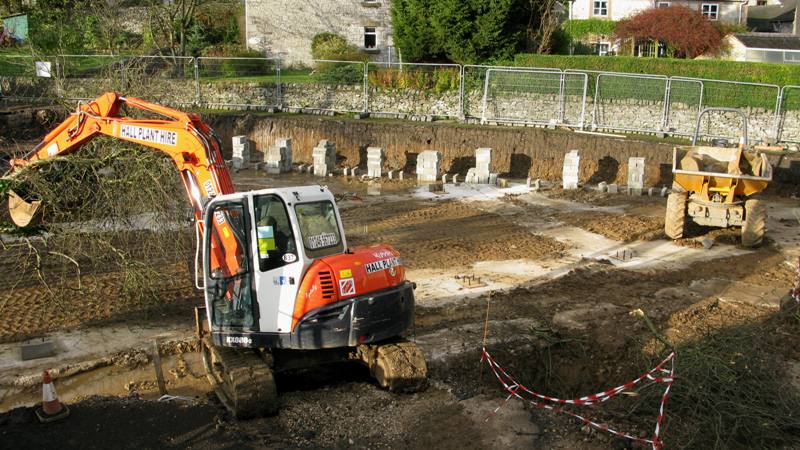

 So how does it work? A GSHP works a bit like a fridge, but in reverse. If you hold your hand at the back of your fridge, you will feel heat coming out. That is because the fridge is effectively pumping heat from inside the fridge to the outside air, thereby making the inside of the fridge cold. A GSHP works by pumping heat that is stored in the ground into the water pipes of the building’s heating system.




 These were just some of the comments that our guests (from all over the world) made when they came to Cassie and Dan’s wedding. They are right, it is a wonderful church and village but it takes many (unseen) hands to make a happy occasion such as this.

















 PARWICH.ORG