Maisie has opened a dog exercise field in Elton where people can let their dog have a run. She has set up a website…see below.
Liz Edge
https://tailsonthetrail.simplybook.it/v2/

Maisie has opened a dog exercise field in Elton where people can let their dog have a run. She has set up a website…see below.
Liz Edge
https://tailsonthetrail.simplybook.it/v2/
Posted in Uncategorized | Leave a Comment »
Never been opened, still sealed in box (purchased end of 2023, photo from website of the actual printer) Canon PIXMA MG255OS Colour 3 in 1 Inkjet Printer. Original price £41.63 selling for £25, collection only (Sycamore Cottages). Contact Caroline 01335 390454 / 07713171411 or email cjgregory@live.co.uk


Posted in Uncategorized | Leave a Comment »
Full Wakes Week information…it’s going to be a busy one!
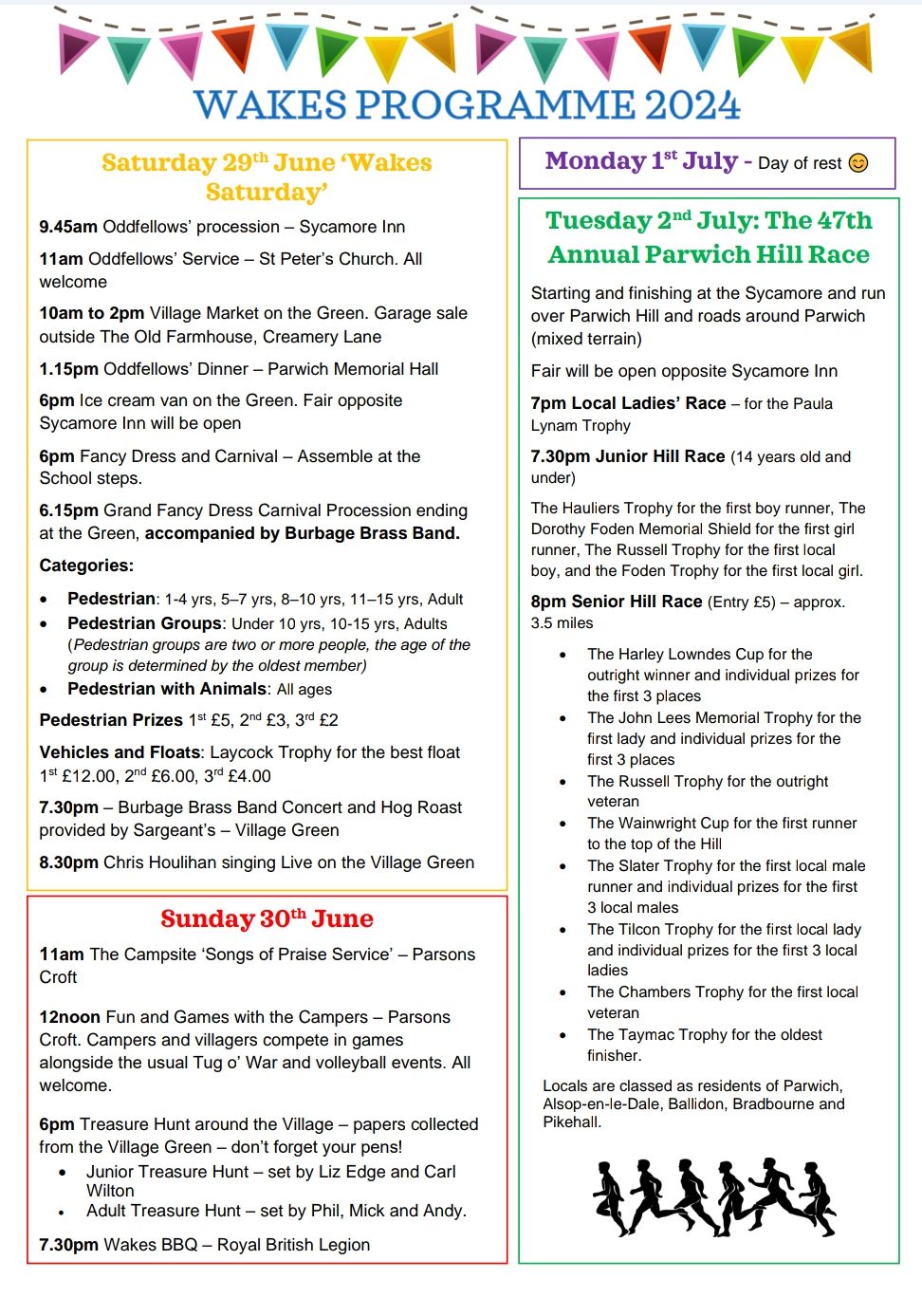
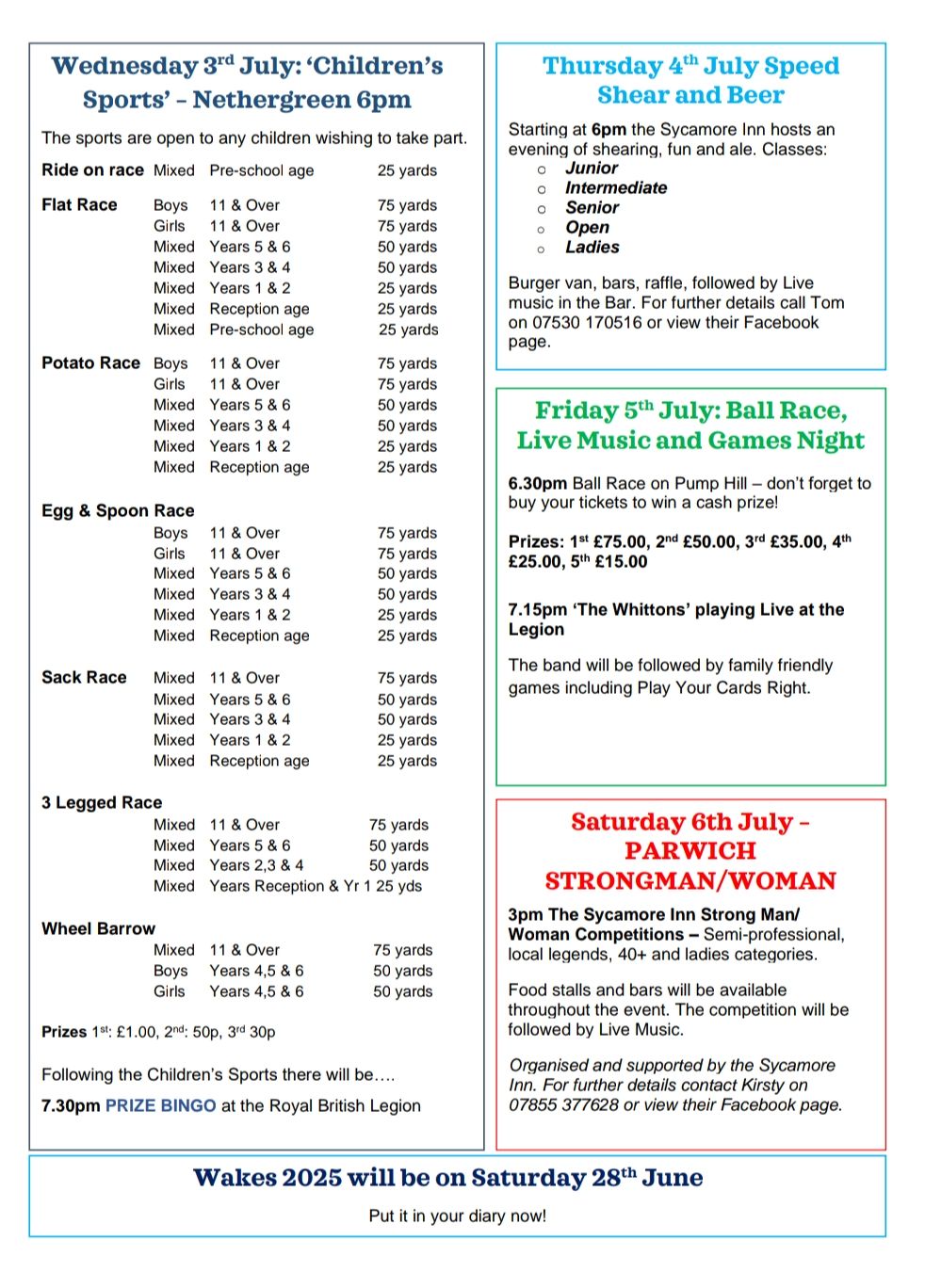
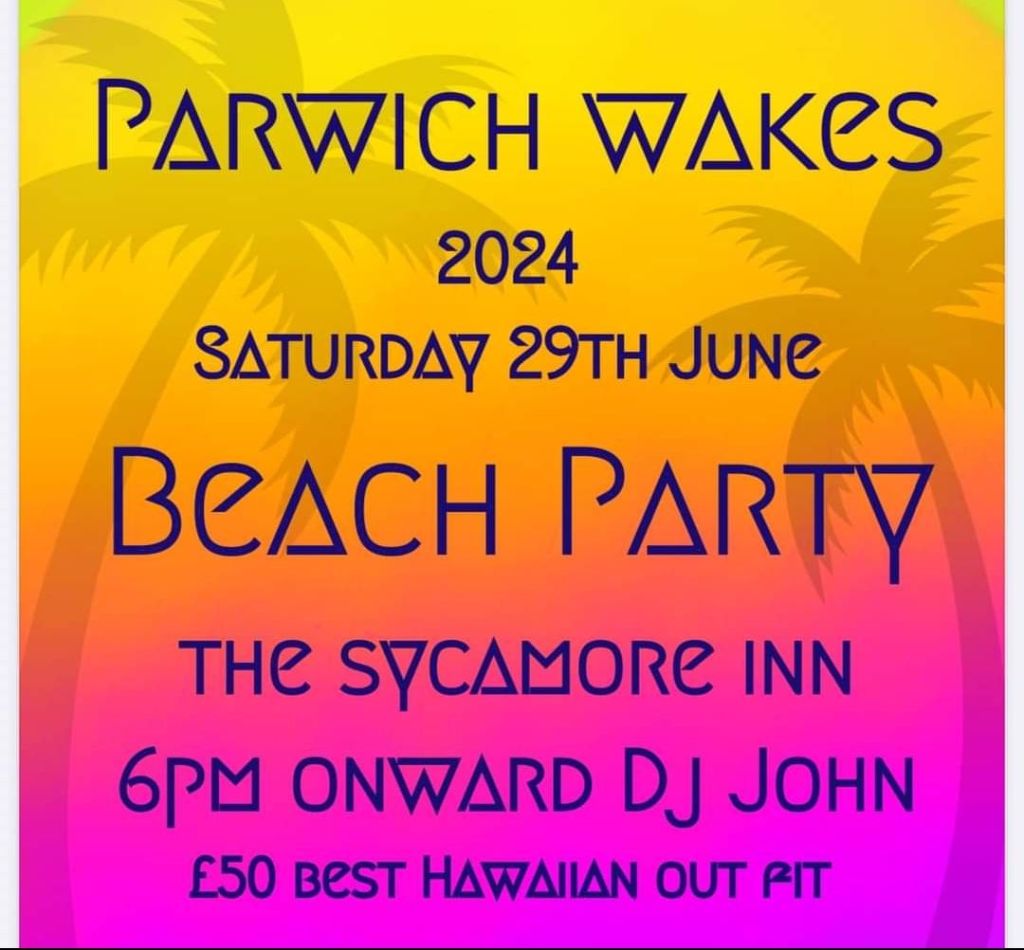


You can also download the programme..
Any questions email lucywigley@googlemail.com
Posted in Uncategorized | Leave a Comment »
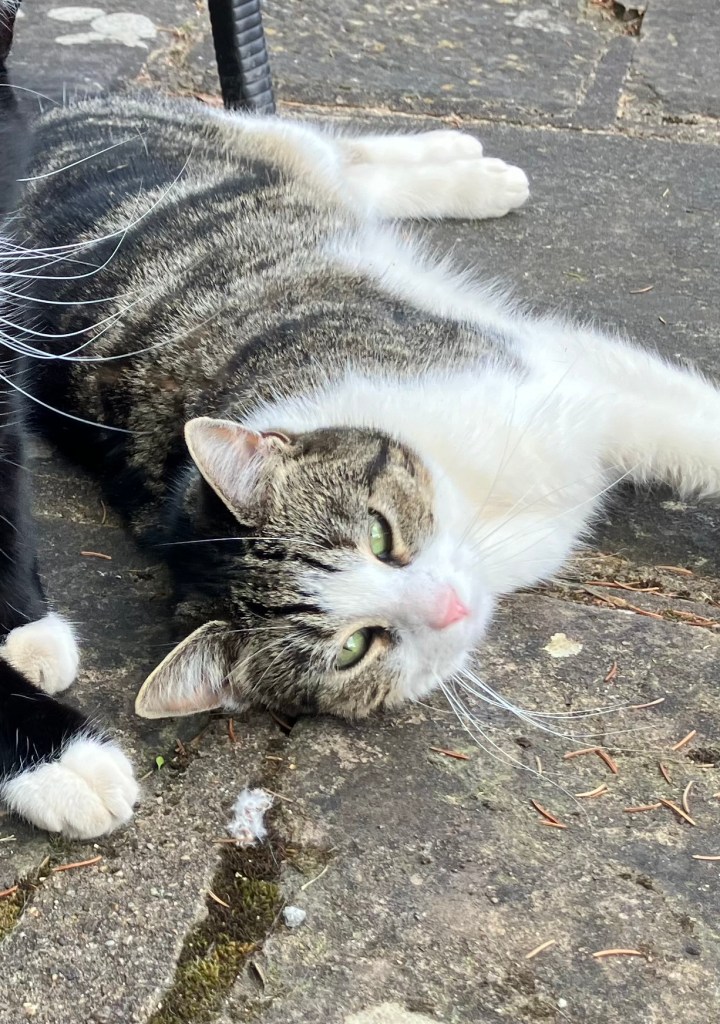
Our cat Daisy has gone missing from Mellow Meadow.
Any info, please contact Dan Naylor 077119 77119 or Natalie 07714 560526.
Many thanks,
Natalie
Posted in Classified adverts, Lost & Found, Pets of Parwich | Leave a Comment »
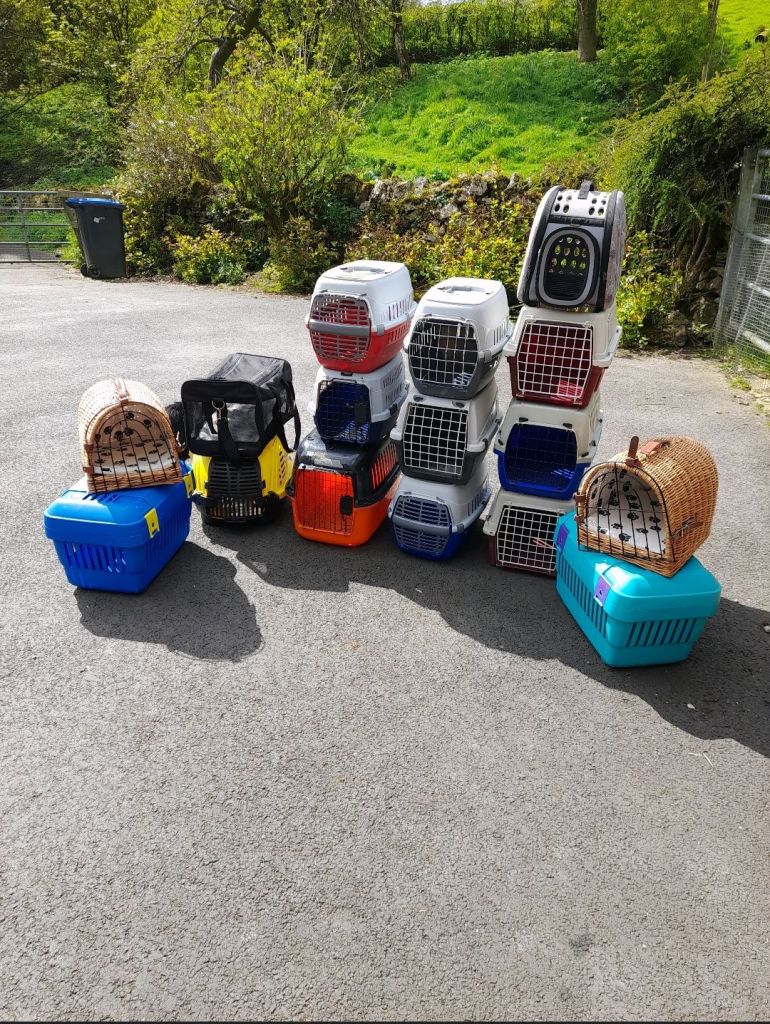
Pet Carriers for sale, just £5 each. All proceeds to help the Waifs and Strays in the care of Cheadle Animal Welfare SocietyContact Margaret – 390369
Posted in Uncategorized | Leave a Comment »

Many of you will remember Gill Simpson from the Old Farmhouse and her talents as an artist. We are holding an exhibition of her work during the Open Gardens event. Most of her work will be on sale along with her art and craft equipment. We would love to see you there. If there’s any enquiries do contact me on 07410887588
Thanks
Jackie Bateman
Posted in Uncategorized | Leave a Comment »
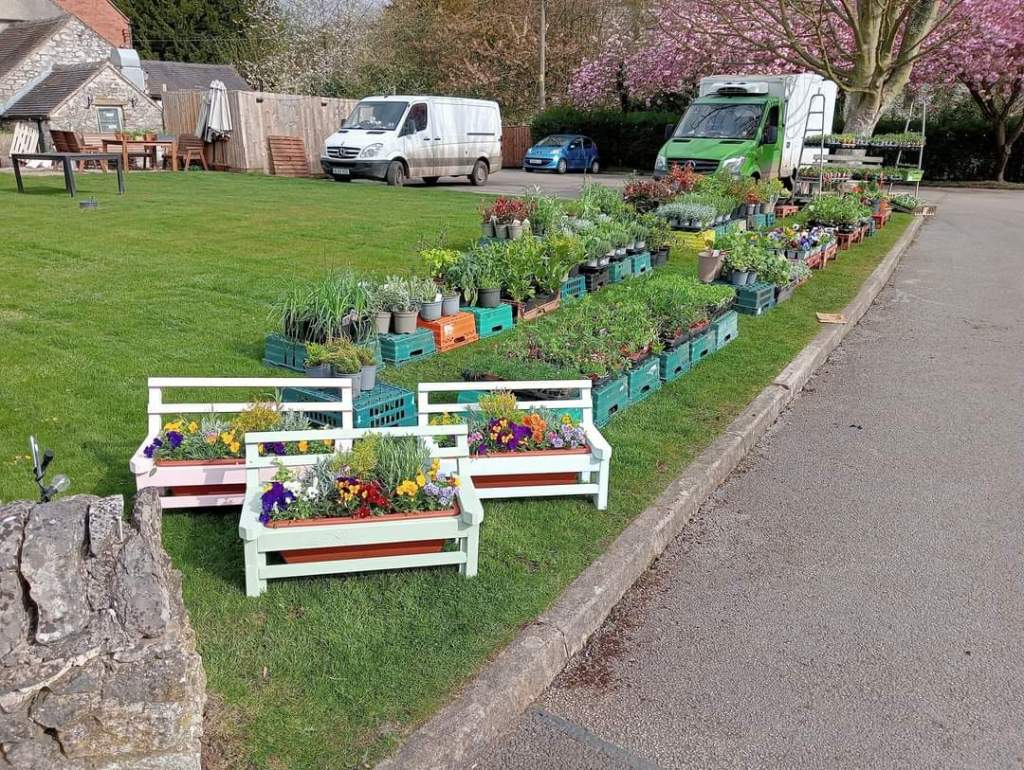
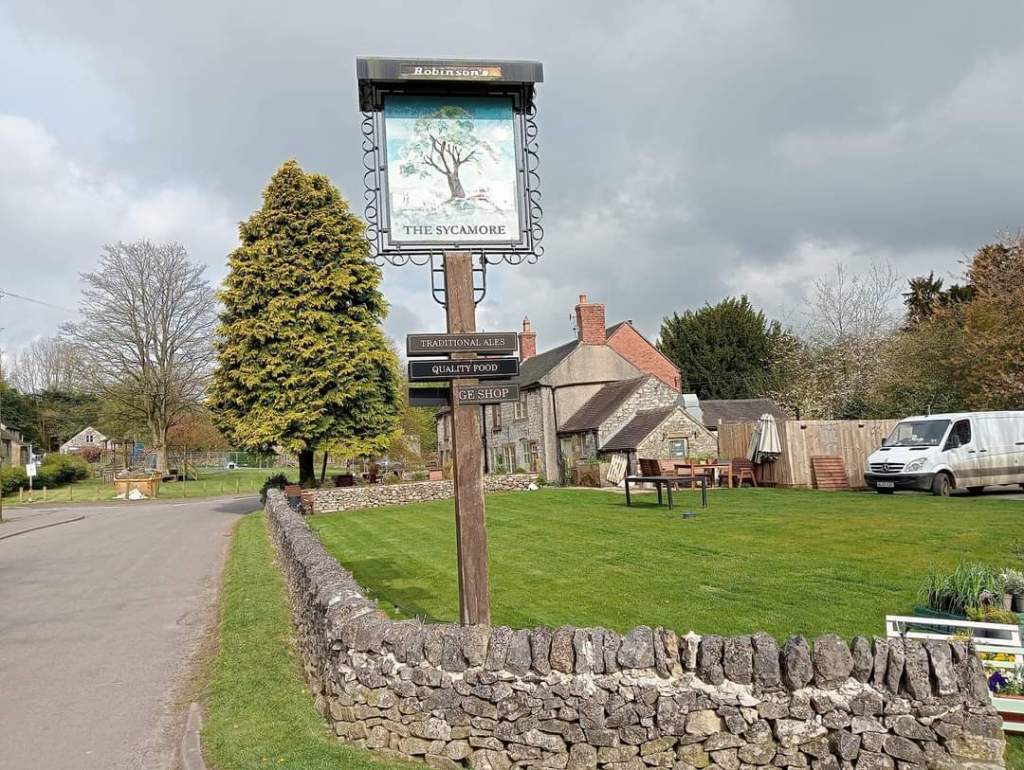
Andersplants will be at The Sycamore on Sunday 9the June, selling from 10am to 4pm.
Posted in Classified adverts, Flora, Gardens, Pub | Leave a Comment »
The Carnival and Recreation Committee would like to inform residents on Church View, West View and Main Street of the usual road closures over Wakes week (see image below for details). For any questions email lucywigley@googlemail.com

Posted in Uncategorized | Leave a Comment »
With only 23 sleeps to go we can share the full Wakes week programme with you. It’s going to be a busy one!…
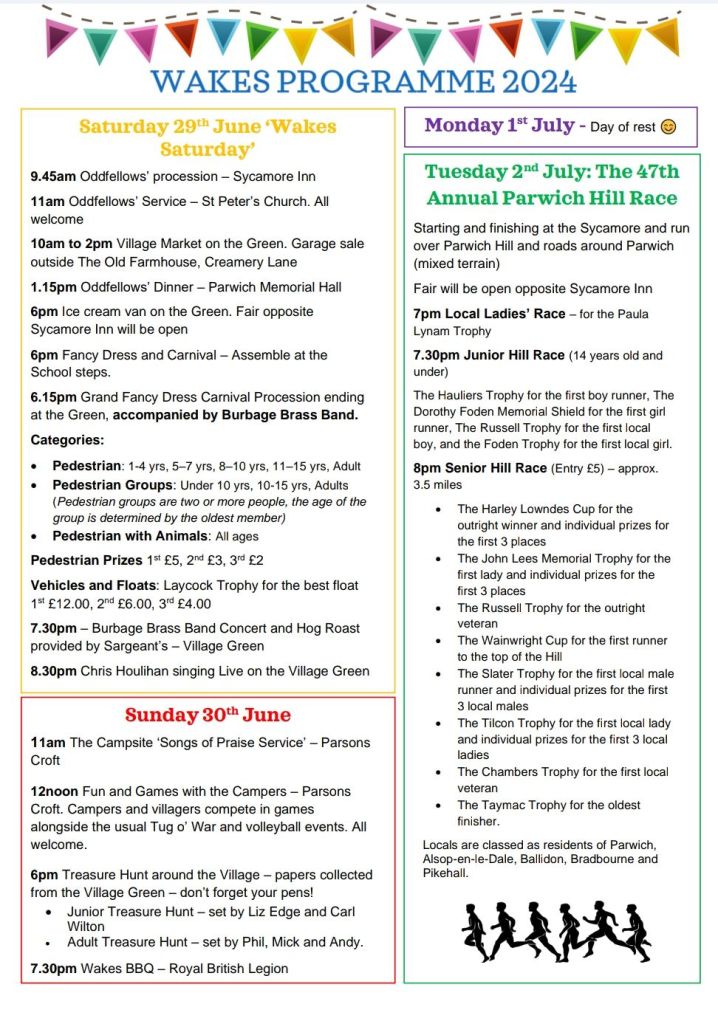
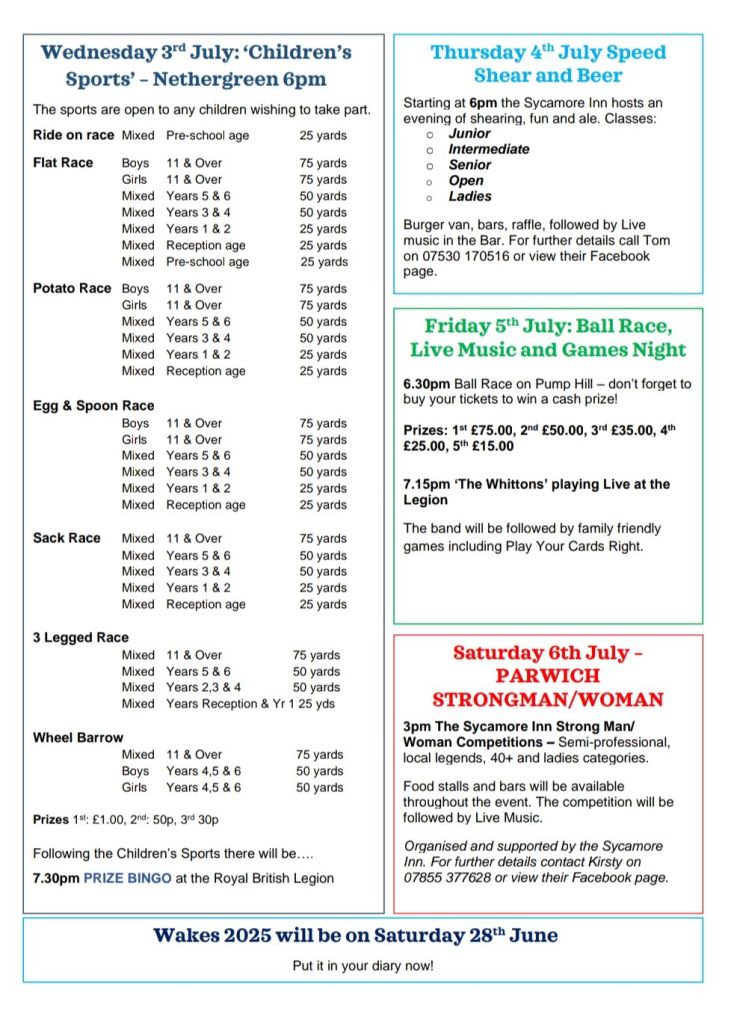
You can also download the programme…
Any questions let us know at lucywigley@googlemail.com
Posted in Uncategorized | Leave a Comment »
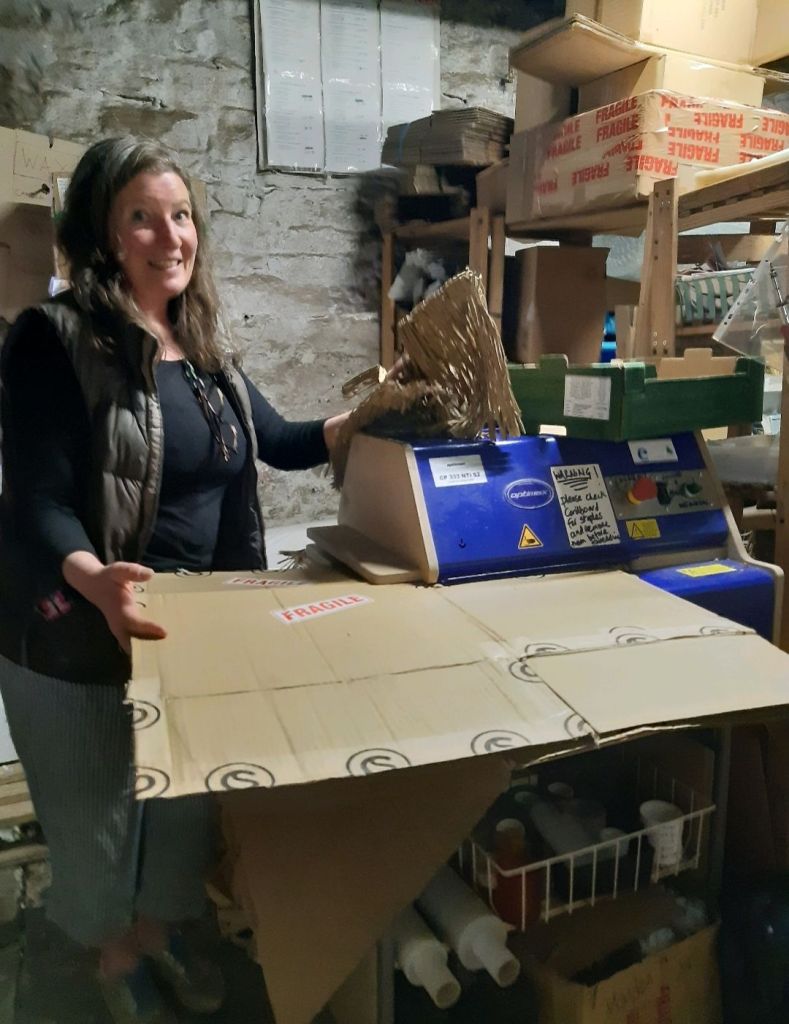
If you’d like a way to reuse any cardboard boxes and other packaging that is headed for the blue bin, you might consider dropping them off in Tissington.
Annie at the candleshop On a Wick and a Prayer regularly reuses unwanted bubble wrap, tissue paper and those curled cornstarch bits (that look like a type of crisp!) in the orders she sends out by post. She can also make her own packaging from pre-used cardboard using the nifty machine in the photo.
Mairi at Tissington Plant Nursery can also make good use of your small and medium boxes for her customers.
As I regularly go over to Tissington I am happy to take unwanted packaging. Please check first on 334, just in case I’m inundated.
Or pop over and see their wonderful plants and candles at the same time.
Sue H
Posted in Uncategorized | Leave a Comment »

A 1920s English seaside town bears witness to a dark, absurd scandal in this riotous mystery comedy. Based on a stranger-than-fiction true story, “Wicked Little Letters” follows two neighbours: deeply-conservative local Edith Swan (Olivia Colman) and rowdy Irish migrant Rose Gooding (Jessie Buckley). When Edith and fellow residents start to receive wicked letters full of unintentionally hilarious profanities, foul-mouthed Rose is charged with the crime. The anonymous letters prompt a national uproar, and a trial ensues. However, as the town’s women, led by Police Officer Gladys Moss (Anjana Vasan), begin to investigate the crime themselves, they suspect that something is amiss and Rose might not be the culprit after all.
Independent**** Olivia Colman hurling expletives is enough to sustain this witty true-life comedy
Trailer
https://youtu.be/9KZs9e-yj-k?si=yLG5ti6aHPK9WmBz
FRIDAY 14th June 7.45PM
Free Entrance. Refreshments. Raffle
Parwich Memorial Hall
Posted in Uncategorized | Leave a Comment »
From Friday to Sunday this weekend we will be welcoming the Derbyshire Caravan Club to Parsons’s Croft. This is their first time in Parwich. There should be about thirteen vans. The Stewards will arrive the day before to set up like our other campers do.
Posted in Uncategorized | Leave a Comment »
Hello, I’m looking for a plumber or builder to fit a simple outdoor tap at the back of my house, behind my kitchen sink, I’m on Creamery Lane, looking to keep the work local if possible. If anyone can help, please PM me. kindest
Karl Bedson
karl.bedson73@btinternet.com
Posted in Uncategorized | Leave a Comment »

Orders and payment needed before 11.30 on Monday morning.
Posted in Oil | Leave a Comment »

To book a stall please contact Rosie via rosieposie2052@hotmail.com
Posted in Classified adverts, Wakes | Leave a Comment »
Reports prepared for the Parwich Annual Parish Meeting have been published on the Parish Council website.
Posted in Uncategorized | Leave a Comment »
Gill Simpson is wanting to give her flower arranging equipment, staging, accessories to people who will appreciate them.
There is also vintage wooden furniture (in need of painting)- chest of 4 drawers, dressing table with drawers and stool and blanket chest. £50 for everything.
Please contact Jackie B. 07410887588
Posted in Uncategorized | 1 Comment »
Open reach have closed the main road out of Parwich again.
They were unable to say whether they would need to do so again tomorrow or how any of us could find out if that did happen.
Allow more time for journeys !
Sue H
Posted in Uncategorized | Leave a Comment »
UPDATE: only fish and rice still available….
Ordered in error (I thought I was ordering cat food!) – I have three new and unopened. 15 kg bags of James Wellbeloved adult hypoallergenic dog food for sale:
The best before dates are mid-October 2024. I would give it to Reuben but I already have a backlog of his food and he doesn’t eat that much! They are retailing on Amazon at £54-£59 am happy to sell for £45 per bag if anyone is interested?
Please contact Emma or Rob on 390203 / 07812 996 851.

Posted in Classified adverts, Pets of Parwich | Leave a Comment »
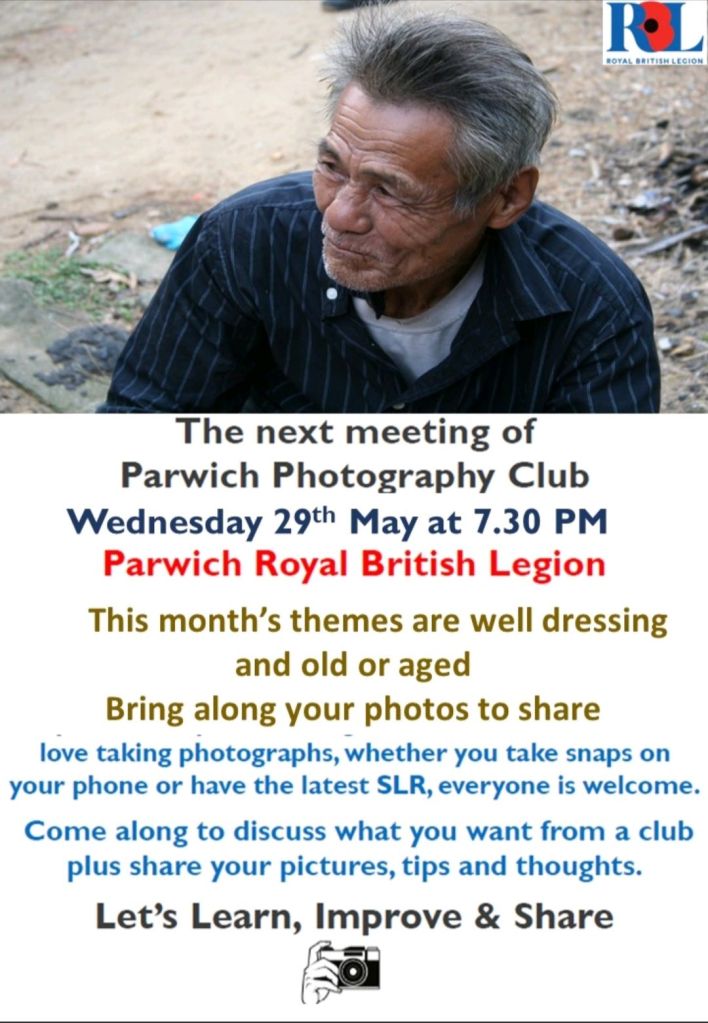
Apologies for the short notice but tonight’s (Wednesday) photography club has been cancelled, and the Legion will be closed.
Posted in British Legion | Leave a Comment »
Details for the Wakes Hill Race are below. The Fair will also be situated on the Green opposite the Sycamore Inn.

Posted in Uncategorized | Leave a Comment »
Having read this article, I wonder if several options were missed off the survey re ‘the Creamery triangle’. https://www.rhs.org.uk/wildlife/lawn-and-mini-meadow-habitats
Strimming the edges of the green and leaving the central bit open to nature could be another option. This would hopefully alleviate the fears of people who worry about their view of the road being decreased; although I would argue that it could possibly force people to slow down – so maybe making it safer! A partially mowed area could make an interesting study for the children of Parwich – what can they find/see in the mowed parts vs areas left to grow?
Another option in the above article is to not mow from spring to the end of August.
I don’t want to flog a dead horse, or cause an argument, but I’m not sure all options were carefully considered; there simply wasn’t enough reflection time given to issue. If not this year, perhaps something to consider next?
Debbie Webster
Posted in Uncategorized | 1 Comment »
To book a stall please contact Rosie via rosieposie2052@hotmail.com
Posted in Classified adverts, Wakes | Leave a Comment »
4 tomato plants free to a good home.
‘Tomato Consuelo’ F1 variety, grown from seed.
Please phone John W to arrange collection, 390268
Posted in Uncategorized | Leave a Comment »
I had an uninvited guest parked on my drive way yesterday afternoon – a white car.
Does anyone know the female with glasses who had the audacity to do so!
Thank you,
Alex S.
Posted in Uncategorized | Leave a Comment »


You can follow @parwichblog on Twitter, and you can also "like" us on Facebook.







 PARWICH.ORG