As this year’s Big Butterfly Count is about to get underway, here is some more information about the project, which might appeal to anyone with an interest in nature conservation.
The Big Butterfly Count is a nationwide survey, which aims to help in assessing the health of our environment. 10,000 people took part last year, counting 210,000 butterflies and day-flying moths across the nation.
According to the Big Butterfly Count’s website:
Butterflies react very quickly to change in their environment, which makes them excellent biodiversity indicators. Butterfly declines are an early warning for other wildlife losses. That’s why counting butterflies can be described as taking the pulse of nature. The count will also assist in identifying trends in species that will help plan how to protect butterflies from extinction, as well as understanding the effect of climate change on wildlife.
This year’s count runs between 16th and 31st July.
To take part, simply count butterflies for fifteen minutes during bright (and preferably sunny) weather, at any time between 16th and 31st July. This can be done anywhere: gardens, fields, school grounds and so on. You also should try to identify the species of each butterfly you see.
Then register your findings on the Big Butterfly Count website: http://www.bigbutterflycount.org/
The website contains all the information that you will need about the Big Butterfly Count – including an illustrated chart, which you can print off and use while you’re counting.




















 Rainwater harvesting systems, like the one currently being installed in the new Memorial Hall, collect rainwater from the roof and store it in large tanks. This water can then be used for non-drinking applications, such as flushing the loos.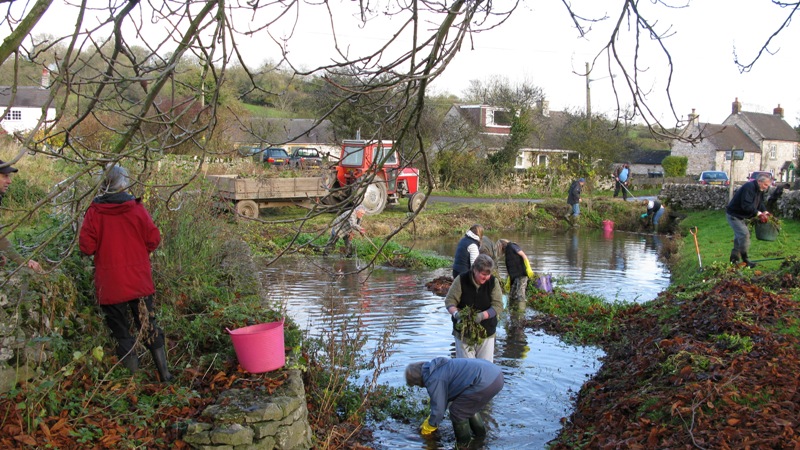
 So how does it work? A GSHP works a bit like a fridge, but in reverse. If you hold your hand at the back of your fridge, you will feel heat coming out. That is because the fridge is effectively pumping heat from inside the fridge to the outside air, thereby making the inside of the fridge cold. A GSHP works by pumping heat that is stored in the ground into the water pipes of the building’s heating system.
  A group of running enthusiasts (well Paul D, Don and me) are organising an event in aid of The Memorial Hall rebuild to be staged on the evening of Tuesday 4th August.